If you are planning a 3 bed caravan holiday in the UK for 2026, you are likely weighing up offers from Haven, Parkdean, and Hoseasons. But how do you know which grade is worth the upgrade, and which operator actually delivers the best experience for your money? This guide cuts through the marketing jargon to give you a clear, unbiased comparison of what a 3-bed caravan holiday actually costs, what you get at each price point, and how to choose the right option for your family or group.
Table of Contents
Why Choose a 3 Bed Caravan Holiday in 2026?
The UK staycation boom shows no sign of slowing down, and the static caravan remains one of the most practical and affordable ways for families to holiday together. A 3-bed unit gives you far more space and privacy than booking multiple hotel rooms, and the self-catering setup means you control your own schedule and food budget.
Modern caravans are a long way from the draughty tin boxes of decades past. Central heating and double glazing now come as standard across most operators, making them comfortable even in the cooler months. Fully equipped kitchens with full-sized ovens, hobs, microwaves, and fridges mean you can cook proper meals rather than relying on takeaways or pricey on-park restaurants.
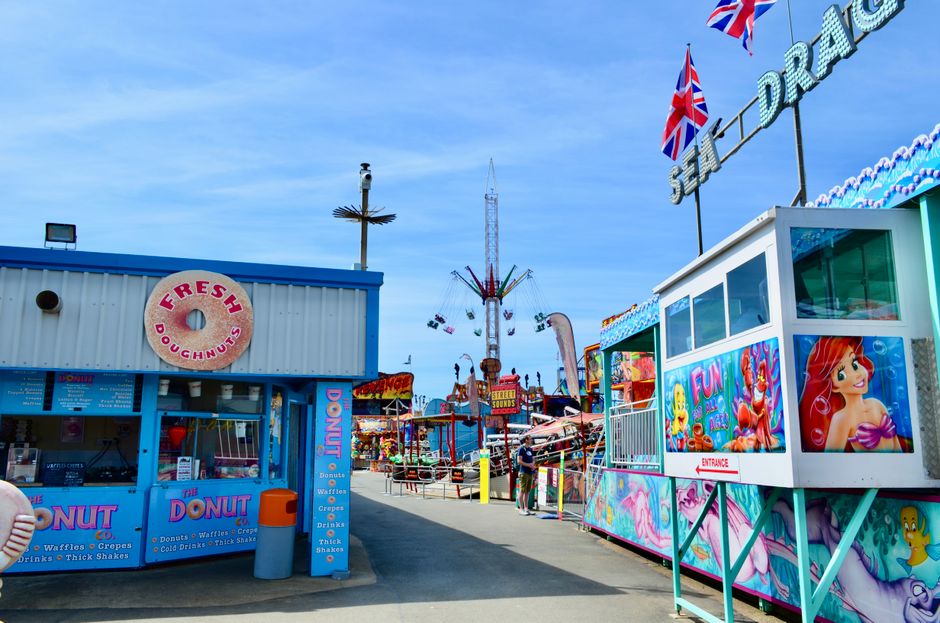
The real draw, however, is the on-park amenities. Swimming pools, evening entertainment, kids’ clubs, and adventure playgrounds are typically included or available at a modest extra cost. For families with children, this combination of self-catering flexibility and built-in activities is hard to beat. In 2026, early booking incentives remain generous, with deposits as low as £25 to £49 widely available across the major operators.
What to Expect from a Standard 3 Bed Caravan
A typical 3-bed static caravan follows a familiar layout. You get one double bedroom, two twin rooms, a shower room with toilet and basin, and an open-plan living area that combines lounge seating, a dining table, and a kitchen. Most 3-bed units are advertised as sleeping six to eight guests, with the extra capacity coming from a pull-out sofa bed in the lounge.
Standard features across the major operators now include central heating, double glazing, and beds made up on arrival. The kitchen will have an oven, hob, fridge with freezer compartment, microwave, kettle, and basic crockery and cutlery. You will need to bring your own towels, tea towels, and toiletries unless you have booked a premium grade that includes them.
Size varies considerably between grades. Entry-level caravans start around 280 square feet, which can feel tight with six adults and luggage. At the top end, premium models stretch to 560 square feet, offering noticeably more breathing room. Haven is the only major operator that publishes exact square footage for each grade, which makes their tier system particularly useful for comparison.
One layout detail worth understanding is the difference between a standard lounge and what Parkdean calls a central lounge. In a standard layout, the living area sits at one end with all three bedrooms clustered at the other. A central lounge places the living space in the middle, with bedrooms at both ends. This gives parents more privacy and better noise separation from children, a feature that can genuinely improve a week-long stay.
The Difference Between Grades (Saver, Bronze, Silver, Gold)
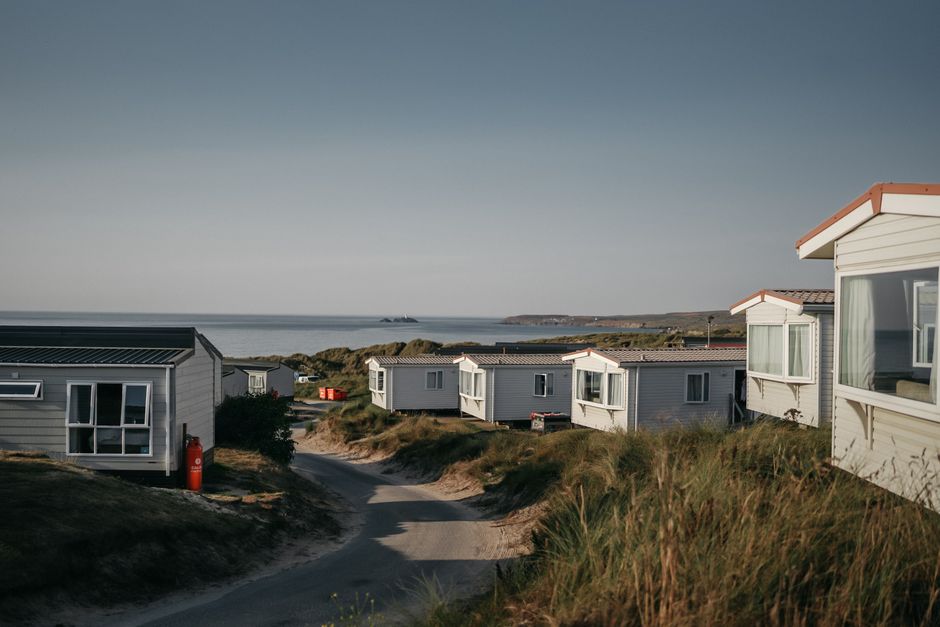
Haven operates the most transparent grading system. Their Saver grade starts at 280 square feet and represents basic, functional accommodation with no frills. Bronze adds a little more space and slightly better interior finishes. Silver steps up to 420 square feet with improved appliances and furnishings. Gold and Signature Gold reach 560 square feet and include extras like sea views, bespoke decking, and higher-quality kitchen equipment. The price gap is substantial: a Saver grade might cost £49 for four nights off-peak, while a Signature Gold can run to £235 for just two nights.
Parkdean takes a less granular approach. Their standard caravans are comfortable but unremarkable, while Premium upgrades offer newer interiors and better positioning within the park. Their standout differentiator is the central lounge layout, which they market as a distinct upgrade option rather than a separate grade. If privacy matters to your group, this layout alone might steer you towards Parkdean.
Northcliffe Seaview occupies a niche at the premium end with its Super Luxury Caravan. At 40 feet by 12 feet, it sits on a Premium Plus Pitch with sea views and bespoke decking. Inside, you will find a Carnaby media unit, accent furniture, and luxury linen. This is a cut above even Haven’s Signature Gold and is priced accordingly.
For most families, the Silver or Bronze grade represents the sweet spot. You get a comfortable, well-equipped caravan without paying a premium for sea views you may only glance at, or decking you will barely use if the weather turns. Put the money you save towards activities or meals out instead.
Haven vs. Parkdean vs. Hoseasons: A Side-by-Side Comparison
Pricing varies dramatically by season. A 3-bed caravan for a week in August 2026 will cost significantly more than the same unit in March. Haven and Parkdean both publish starting prices that look attractive but apply to off-peak dates and entry-level grades. Hoseasons operates as a broker, listing caravans from independent parks, which means pricing is less standardised but often more competitive for smaller, family-run sites.
On deposits, Haven and Hoseasons both push low upfront payments of £25 to £49, making it easy to secure a booking without a large initial outlay. Parkdean frequently runs last-minute deals with deeper discounts for bookings made two to four weeks before departure. If your dates are flexible, waiting for a late deal can save hundreds of pounds.
Park locations are another differentiator. Parkdean operates 65 parks across the UK, with a strong presence in Cornwall, Devon, and Scotland. Haven has fewer parks but they tend to be larger, with more extensive on-park facilities and entertainment programmes. Hoseasons lists properties at hundreds of independent parks, giving you access to smaller, quieter sites that the big operators do not own.
On-park facilities vary. Haven is strongest on structured entertainment, with daytime activities, evening shows, and dedicated kids’ clubs. Parkdean parks often feature indoor swimming pools, which is a major advantage given the unpredictability of British weather. Hoseasons parks range from basic to excellent, so checking individual park ratings is essential.
User reviews paint a mixed picture. The only readily available aggregated review data comes from Booking.com, where a Parkdean caravan in Newquay scored just 5.8 out of 10, with cleanliness rated at 5.6. This is a reminder that Premium branding does not always translate into a spotless caravan. Before booking, search for independent reviews on TripAdvisor or Booking.com rather than relying solely on the operator’s own marketing.
Which Operator is Best for Families?
Haven suits families who want a full programme of activities and entertainment included in the holiday experience. Their kids’ clubs are well-organised and run across multiple age groups, giving parents genuine downtime.
Parkdean works best for families who prioritise swimming and layout. Their indoor pools are a reliable option regardless of weather, and the central lounge layout gives parents a degree of separation from children that standard layouts lack.
Hoseasons is the pick for families who prefer smaller, quieter parks with higher guest ratings. Many of their listed parks score between 3.7 and 4.3 out of 5, and the independent operators often take more pride in presentation than the high-volume chains.
All three operators offer dog-friendly caravans, but availability is limited and often restricted to specific grades. Expect to pay a surcharge per pet, and be aware that some parks prohibit dogs on decking or verandas. If anyone in your group has allergies, check whether the park offers pet-free caravans as an option.
How to Choose the Right 3 Bed Caravan for Your Group
Square footage matters more than the number of bedrooms. A family of six in a 280-square-foot Saver grade will feel cramped, especially on a rainy day when everyone is indoors. Stepping up to 420 square feet or more transforms the experience, giving you space to move around without tripping over suitcases and shopping bags.
Layout should match your group composition. If you are travelling with young children, a central lounge layout keeps noise away from sleeping areas and lets adults stay up without disturbing bedtime routines. For groups of four adults, a standard layout works fine, but check whether the twin rooms have full-size single beds or narrower berths designed for children.
Pitch location affects both price and experience. Premium Plus pitches with sea views and bespoke decking sound appealing, but they come at a cost. Standard pitches are often quieter, set further back from entertainment venues and footpaths. If you value peace over a view, save your money.
Accessibility remains a weak point across the industry. Haven mentions accessible options but provides no specific details online. If anyone in your group has mobility requirements, call the park directly and ask for precise dimensions, door widths, ramp access, and whether wet rooms are available. Do not assume that a caravan described as accessible will meet your specific needs.
Seasonal performance is worth considering. Budget-grade caravans can feel cold and damp in early spring, even with central heating. If you are booking for March or April, choose Silver grade or above, which typically have better insulation and more effective heating systems.
When is the Best Time to Book a 3 Bed Caravan Holiday?
Peak season runs from mid-July through August, coinciding with school summer holidays. Prices are at their highest, and the best pitches and grades sell out early. If you must travel during this window, book by January 2026 to secure your preferred park and caravan grade.
Off-peak periods offer far better value. March through May and September through October deliver lower prices, quieter parks, and a more relaxed atmosphere. Northcliffe Seaview specifically markets early and late season breaks, and many parks reduce their minimum stay requirements outside peak months.
Last-minute deals are worth watching if your dates are flexible. Parkdean and Hoseasons frequently release discounted slots two to four weeks before departure. The risk is limited availability and a narrower choice of grades, but the savings can be substantial.
Weather is always a factor in the UK. Modern static caravans are well-insulated, but coastal winds can be noisy, particularly in budget models with thinner walls. If you are booking for the shoulder season, choose a park with an indoor swimming pool and good on-site facilities so you have options when the weather turns.
School holiday dates dictate pricing more than the calendar. If you can travel outside these windows, you will pay less and enjoy quieter parks. If you are tied to school holidays, book early and look for parks with extensive indoor facilities to mitigate the risk of a washout week.
Common Mistakes to Avoid When Booking
Ignoring the grade is the most frequent error. A listing for a 3-bed caravan tells you nothing about quality, size, or condition. Always check the specific grade and square footage before committing.
Low deposits are attractive but read the cancellation terms carefully. A £25 deposit secures your booking, but the balance is typically due several weeks before arrival, and cancellation refunds vary widely between operators.
Assuming all parks are equal leads to disappointment. A 3-bed caravan at a Haven park in Skegness is a different proposition from one at a Parkdean park in Cornwall. Research the specific park, its location, and its facilities rather than relying on brand reputation alone.
Guest reviews are your best defence against unpleasant surprises. The Booking.com data showing a 5.6 cleanliness score for a Parkdean caravan in Newquay should give any booker pause. Spend time on TripAdvisor and Booking.com to check real guest experiences before you hand over your money.
Dog policies catch people out. Some caravans marketed as dog-friendly restrict pets to certain grades, charge extra fees per animal, or prohibit dogs from specific areas. If you are bringing a dog, confirm the total cost and any restrictions before booking. If you have allergies, ask whether the park guarantees pet-free caravans or merely designates some units as dog-friendly.
Final Checklist for Your 3 Bed Caravan Holiday
Confirm your booking details in writing: the specific grade, pitch location, and whether beds are made on arrival. Pack towels, tea towels, washing-up liquid, bin bags, and a torch for late-night walks to the toilet block or car park. Pre-book swimming slots and entertainment passes if the park requires them, as these can sell out during peak periods. Travel insurance with cancellation cover is worth considering, especially if you have booked a low-deposit deal with strict payment terms. Most parks enforce a 4:00 PM check-in, so plan your journey to avoid arriving too early and waiting around.
Frequently Asked Questions (FAQ)
Can eight people sleep in a 3-bed caravan? Yes, but only if the lounge includes a pull-out sofa bed. Always check the sleeps up to figure on the booking page, and bear in mind that eight people in a 280-square-foot caravan will be a tight fit.
Are Haven caravans better than Parkdean? It depends on your priorities. Haven offers more detailed grade tiers and stronger entertainment programmes. Parkdean provides better layout options with the central lounge design and a wider spread of parks. Neither is universally better.
Can you take dogs in a 3-bed caravan? Yes, but availability is limited and often restricted to specific grades. Book early if you need a dog-friendly unit, and check for pet-free parks if anyone in your group has allergies.
What is included in a self-catering caravan? You can expect an oven, hob, fridge, microwave, kettle, toaster, and basic cutlery, crockery, and cooking utensils. You will need to bring your own food, toiletries, towels, and cleaning supplies. Beds are usually made up on arrival, but confirm this when booking.
If you are looking to list your own holiday home, you may find useful guidance on how to advertise a caravan effectively to attract bookings. For those who own a static caravan and want to offset running costs, renting it out through a platform like Hire Me Out can turn an underused asset into a steady income stream.